

浏览数量: 14 作者: 本站编辑 发布时间: 2026-07-31 来源: 本站
钢材热处理是通过精确控制加热、保温和冷却过程,改变钢材内部微观组织,从而获得所需力学性能的工艺手段。在管道工程领域,合理的热处理工艺直接关系管件的安全性、耐蚀性和使用寿命。本文将系统介绍四种基本热处理方式、调质工艺,并重点阐述不锈钢热处理特点及ASTM A403、ASTM A815标准的技术要求。
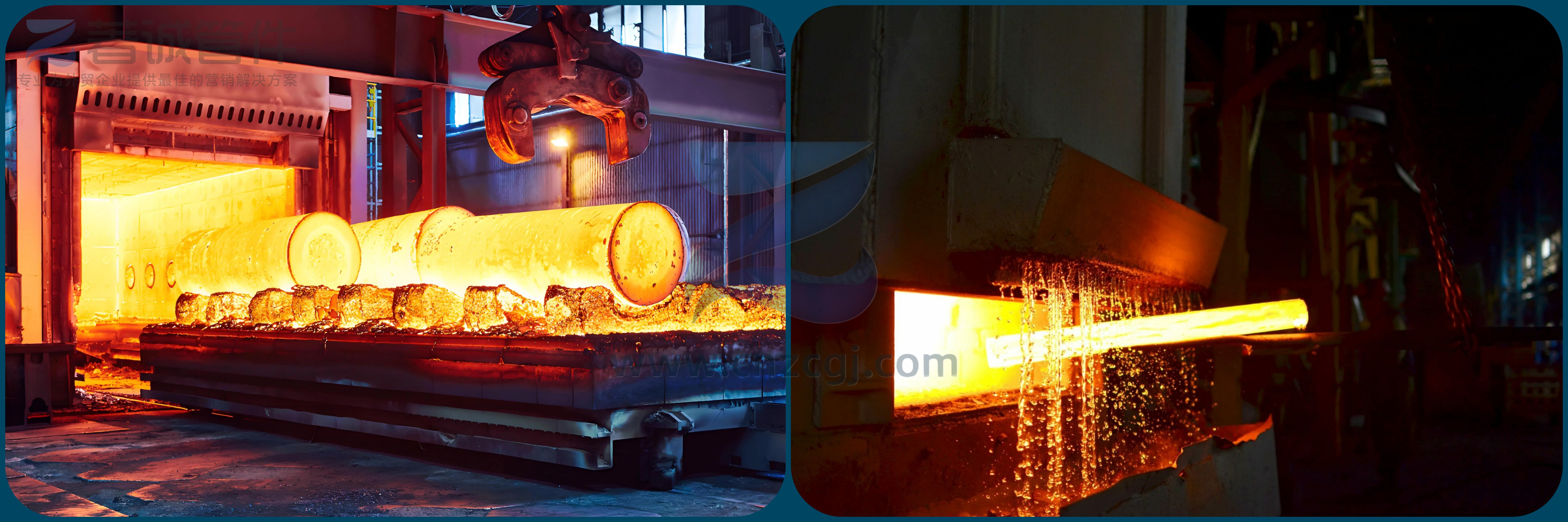
在机械制造、金属加工领域,退火、正火、淬火、回火是金属热处理最基础、最核心的四大工艺。四大工艺整体逻辑一致:加热→保温→控制冷却速度,核心区别就是冷却方式不同,最终带来材料内部组织、硬度、韧性、应力状态天差地别。
将钢材加热到临界温度以上,保温后随炉缓慢冷却的热处理工艺。其目的在于消除组织缺陷、细化晶粒、降低硬度以改善切削加工性能,同时释放前道工序产生的内应力。退火属于预先热处理,为后续加工和淬火作组织准备。对于铁素体不锈钢,退火是核心热处理工艺,通常在750-850℃保温后缓慢冷却,以消除冷加工或焊接应力,恢复耐蚀性。
将钢材加热到临界温度以上,使组织转变为均匀的奥氏体,随后在空气中自然冷却。正火效果与退火相似,但冷却速度较快,获得的金相组织更细,综合力学性能更高。对要求不高的零件,正火可作为最终热处理代替退火,更为经济。正火还能消除过共析钢的网状渗碳体,改善材料切削性能。
将钢材加热到临界温度以上,保温后以大于临界冷却速度的速率急速冷却,获得以马氏体为主的不平衡组织。淬火能显著提高钢的强度和硬度,但会降低塑性、增加脆性。淬火介质有水、油、盐溶液等,高速钢甚至可用“风”冷却。马氏体不锈钢(如420、440C)即通过淬火获得高强度,加热温度通常在920-1060℃,油冷或空冷。
水淬
冷却介质为清水,冷却淬火能力极强、降温速度极快。
优点:硬化效果好,淬透深度大,成本极低。
缺点:冷却过猛,工件热应力巨大,容易出现表面软点、尺寸变形、甚至直接开裂,对材料适应性差。
适用:结构简单、碳钢类厚壁零件、抗裂性要求低的普通工件。
油淬
冷却介质为专用淬火油,冷却速度适中,淬冷作用温和。
优点:内应力小,工件不易变形、不易开裂,表面组织均匀,缺陷少。
缺点:淬硬深度弱于水淬,成本相对更高。
适用:合金钢、精密零件、薄壁件、模具、结构复杂易开裂工件。
除此之外,现场还可采用风扇风冷加速辅助冷却,属于轻量化淬火冷却方式。
选型原则:根据材料牌号、零件尺寸、结构复杂程度、硬度要求综合选择冷却方式。
水淬:冷速猛、硬化强、易裂易变形
油淬:冷速适中、变形小、安全性高
风冷辅助冷却:轻度降温,辅助稳定金相组织
淬火后紧接着进行的工艺,将淬火钢重新加热到低于临界温度的某一温度,保温后冷却。回火可消除淬火内应力,调整硬度与韧性,使材料获得预期的综合力学性能。回火分低温(150-250℃)、中温(350-500℃)和高温(500-650℃)三类。
低温回火
消除淬火内应力与材料脆性,有效保留淬火后的高硬度、高耐磨性,硬度基本不下降。
适用:齿轮、刀具、轴承、耐磨结构件。
中温回火
重点提升材料弹性极限与结构强度,兼顾一定韧性,平衡硬韧性。
适用:各类弹簧、弹性元件、冲压模具。
高温回火(调质处理)
淬火+高温回火统称为调质。
加强钢材的综合力学性能,兼顾强度、硬度、塑性、韧性,综合性能最均衡。
适用:曲轴、传动轴、连杆、重要机械结构承重件。
调质处理是指淬火加高温回火的组合工艺,高温回火温度通常在500-650℃。调质处理后获得回火索氏体组织,使钢材兼具高强度、良好塑性和韧性,综合机械性能优异。调质适用于承受较大动载荷和复合应力(拉伸、压缩、弯曲、扭转、冲击、疲劳)的工件。
淬火: 将钢加热到奥氏体化后快速冷却,得到一种硬但脆、内应力大的组织——马氏体。此时的工件像玻璃一样,虽然硬,但一敲就碎,无法直接使用。
高温回火:将淬火后的零件重新加热到Ac1以下的温度(一般500℃-650℃)并保温,然后空冷。这个过程使不稳定的马氏体分解,转变为一种由细小球状碳化物分布在铁素体基体上的稳定组织:回火索氏体。
根据回火的温度一般分高温回火、中温回火和低温回火三类。
高温回火:500℃~650℃
中温回火:300℃~450℃
低温回火:150℃~250℃
淬火+高温回火得到“回火索氏体”组织,它是由淬火得到的马氏体在高温回火时,过饱和的碳原子充分扩散并析出,同时内应力消除、基体再结晶而形成的。
调质后的工件其最突出的特点是“良好的综合机械性能”,即保持较高强度,又拥有比淬火态组织好得多的塑性和韧性。从而得到我们需要的强度与韧性搭配, 这是调质处理最核心的价值。它实现了“韧中带刚”,而非淬火后的“刚而易碎”。回火索氏体比通过正火或等温转变直接得到的索氏体(有时称“一次索氏体”)具有更好的机械性能。
按力学性能要求,调质可分为三类:高韧性调质(650-700℃超高温回火)、强韧性调质(550-650℃常规高温回火)和高强度调质(500-600℃回火)。45钢是最常用的调质钢,但因其淬透性低,仅适用于截面尺寸小于25mm的小工件。对于截面较大的工件,需选用40Cr、42CrMo等合金调质钢。
不锈钢种类不同,热处理工艺差异显著。
奥氏体不锈钢(如304、316)的核心热处理是固溶处理:加热至1000-1150℃使碳化物充分溶解,随后快速水淬,获得均匀的单相奥氏体组织,此时材料最软、耐腐蚀性增强。对焊后或冷作后的工件,可在300-500℃进行去应力退火,降低应力腐蚀开裂风险。
马氏体不锈钢采用“淬火+回火”工艺实现强化。淬火后获得高硬度马氏体,再通过150-700℃回火调节韧性,实现硬度与韧性的平衡。
铁素体不锈钢因加热冷却中不发生相变,无法通过淬火强化,主要进行退火处理以消除应力和恢复耐蚀性。
双相不锈钢(铁素体+奥氏体)的热处理对温度控制要求极为严格,不当的热处理可能导致有害金属间相析出,严重损害耐蚀性和韧性。
ASTM A403是针对锻轧奥氏体不锈钢对焊管件的标准规范。该标准涵盖WP和CR两个等级系列,WP级按制造方式分为若干类别,以标识无缝或焊接结构及无损检测等级。标准规定:所有管件均须在热处理状态下供货,且所有焊接工作应在热处理前完成。由固溶退火锻件和棒材直接加工而成的配件不需再次退火。
ASTM A403 Heat Treatment | ||||
Grade WP | Grade CR | UNS Designation | Solution Anneal | Quench Media |
WPXM-19 | CRXM-19 | S20910 | 1900 [1040] | Water or other rapid cool |
WP20CB | CR20CB | N08020 | 1700-1850 [927-1010] | Water or other rapid cool |
WP6XN | CR6XN | N08367 | 2025 [1107] | Water or other rapid cool |
WP700 | CR700 | N08700 | 2025-2100 [1107-1150] | Water or other rapid cool |
WPNIC | CRNIC | N08800 | 1800- 1900 [983-1038] | Water or other rapid cool |
WPNIC10 | CRNIC10 | N08810 | 2100-2150 [1147-1177] | Water or other rapid cool |
WPNIC11 | CRNIC11 | N08811 | 2100-2150 [1147-1177] | Water or other rapid cool |
WP904L | CR904L | N08904 | 1985-2100 [1085-1150] | Water or other rapid cool |
WP1925 | CR1925 | N08925 | 1800-1900 [983-1038] | Water or other rapid cool |
WP1925N | CR1925N | N08926 | 2150 [1177] | Water or other rapid cool |
WP304 | CR304 | S30400 | 1900 [1040] | Water or other rapid cool |
WP304L | CR304L | S30403 | 1900 [1040] | Water or other rapid cool |
WP304H | CR304H | S30409 | 1900 [1040] | Water or other rapid cool |
WP304N | CR304N | S30451 | 1900 [1040] | Water or other rapid cool |
WP304LN | CR304LN | S30453 | 1900 [1040] | Water or other rapid cool |
WP309 | CR309 | S30900 | 1900 [1040] | Water or other rapid cool |
WP310S | CR310S | S31008 | 1900 [1040] | Water or other rapid cool |
WP310H | CR310H | S31009 | 1900 [1040] | Water or other rapid cool |
WPS31254 | CR31254 | S31254 | 2100 [1150] | Water or other rapid cool |
WPS31266 | CRS31266 | S31266 | 2100 [1150] | Water or other rapid cool |
WP316 | CR316 | S31600 | 1900 [1040] | Water or other rapid cool |
WP316L | CR316L | S31603 | 1900 [1040] | Water or other rapid cool |
WP316H | CR316H | S31609 | 1900 [1040] | Water or other rapid cool |
WP316N | CR316N | S31651 | 1900 [1040] | Water or other rapid cool |
WP316LN | CR316LN | S31653 | 1900 [1040] | Water or other rapid cool |
WP317 | CR317 | S31700 | 1900 [1040] | Water or other rapid cool |
WP317L | CA317L | S31703 | 1900 [1040] | Water or other rapid cool |
WP3127 | CR3127 | N08031 | 2175 [1189] | Water or other rapid cool |
WPS31725 | CRS31725 | S31725 | 1900 [1040] | Water or other rapid cool |
WPS31726 | CAS31726 | S31726 | 1900 [1040] | Water or other rapid cool |
WPS31727 | CRS31727 | S31727 | 1975-2155 [1080-1180] | Water or other rapid cool |
WPS31730 | CRS31730 | S31730 | 1900 [1040] | Water or other rapid cool |
WPS31740 | CRS31740 | S31740 | 1900 [1040] | Water or other rapid cool |
WPS32053 | CRS32053 | S32053 | 1975-2155 [1080-1180] | Water or other rapid cool |
WP321 | CR321 | S32100 | 1900 [1040] | Water or other rapid cool |
WP321H | CR321H | S32109 | 1925 [1050] | Water or other rapid cool |
WP330 | CR330 | N08330 | 1900 [1040] | Water or other rapid cool |
WPS33228 | CRS33228 | S33228 | 2050-2160 [1120-1180] | Water or other rapid cool |
WPS34565 | CRS34565 | S34565 | 2050-2140 [1120-1170] | Water or other rapid cool |
WP347 | CR347 | S34700 | 1900 [1040] | Water or other rapid cool |
WP347H | CR347H | S34709 | 1925[1050] | Water or other rapid cool |
WP347LN | CR347LN | S34751 | 1900 [1040] | Water or other rapid cool |
WPS34752 | CRS34752 | S34752 | 1940-2140 [1060-1170] | Water or other rapid cool |
WP348 | CR348 | S34800 | 1900 [1040] | Water or other rapid cool |
WP348H | CR348H | S34809 | 1925 [1050] | Water or other rapid cool |
WPS38815 | CAS38815 | S38815 | 1950 [1065] | Water or other rapid cool |
WPS35030 | CRS35030 | S35030 | 1900 [1040] | Water or other rapid cool |
Naming system developed and applied by ASTM International. | ||||
Where a range of temperature is not listed, the single value shown shall be the minimum required temperature. | ||||
Heat Treatment is highly dependent on intended service temperature; consult material manufacturer for specific heat treatments for end use temperature. | ||||
ASTM A815则适用于铁素体、铁素体/奥氏体(双相)和马氏体不锈钢锻轧管件。同样分为WP和CR两类,WP级细分为WP-S(无缝制造)、WP-W(焊缝经射线检测)、WP-WX(全部焊缝射线检测)和WP-WU(全部焊缝超声检测)四个子类。该标准对材料熔炼方法、化学成分、力学性能及热处理冷却方式和回火温度均有明确规定。
ASTM A815 Heat Treatment | ||||
Stainless Steel | All WP and CR Grades | Temperature | Cooling | Tempering |
Ferritic | All | ≥1200°F[649℃] | As appropriate for grade | Not specified |
Ferritic/Austenitic | S31803 | 1870-2010 F [1021-1099℃] | Water quench or rapidly cooled by other means | Not required |
S32101 | 1870F [1021℃] min | Water quench or rapidly cooled by other means | Not required | |
S32202 | 1870-1975°F [1021-1079℃] | Water quench or rapidly cooled by other means | Not required | |
S32205 | 1870-2010°F | Water quench | Not required | |
S32750 | 1880-2060°F | Water quench or rapidly cooled by other means | Not required | |
S32760 | 2010-2085°F [1099-1141℃] | Water quench or rapidly cooled by other means | Not required | |
S39274 | 1920-2060°F | Water quench or rapidly cooled by other means | Not required | |
S32550 | 1950-2060°F | Water quench | Not required | |
S32950 | Not specified | Not specified | Not required | |
Martensitic | S41000 | ≥1200°F [649°℃] | Not specified | Not specified |
S41008 | >1200°F [649℃] | In still air as appropriate | Not specified | |
S41500 | ≥1750F [954℃] | Air cool to ≤200°F [93℃] prior to any optional intermediate temper and prior to final temper. | 1050-1150°F [566-621℃] | |
The higher temperature (2000 to 2060 °F [1093 to 1127 °C]) PWHT is best used on welded product—the lower temperature PWHT (1950 to 2010 °F [1066 to 1099 °C]) is best used on wrought or seamless products only. | ||||
退火、正火、淬火、回火作为热处理的“四把火”,各自承担不同职能。调质处理通过淬火与高温回火的组合,实现强度与韧性的平衡。在ASTM A403和ASTM A815标准框架下,科学选择和执行热处理工艺,是确保不锈钢管件安全可靠运行的关键。